

When the skin undergoes trauma—whether from a surgical procedure, an accidental injury, or a professional skin treatment—the “golden window” for healing is the first few weeks. How you treat your skin during this phase determines whether you’ll have a faint, flat mark or a raised, discolored scar that requires advanced correction.
At Arch Angels NYC, we specialize in Scar & Stretch Mark Camouflage, but we believe the best results start with a foundation of healthy skin. Here is the definitive guide to preventing skin damage during the healing process.
1. The Golden Rule: Moisture is a Mandate
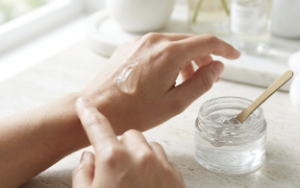
There is a common myth that scars need to “air out” or scab over to heal. In reality, dry skin is damaged skin. When a wound dries out, it forms a hard scab. This scab acts as a barrier that actually slows down the migration of new, healthy skin cells. This can lead to an uneven, “pitted” texture.
The Fix: Use a professional-grade occlusive or a silicone-based gel. Silicone is the gold standard in scar care because it mimics the skin’s natural barrier, trapping moisture and flattening the scar tissue before it becomes permanent.
2. UV Protection: The Silent Scar Aggressor
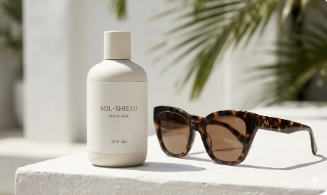 New scar tissue is incredibly sensitive to ultraviolet light. If a healing scar is exposed to the sun, it can undergo Post-Inflammatory Hyperpigmentation (PIH). This causes the scar to turn dark brown or deep purple—a change that can become permanent and difficult to treat.
The Fix: Even if it’s cloudy in NYC, apply a mineral-based SPF 30 or higher directly over the healing area once the wound has closed. Physical blockers like Zinc Oxide are preferred for sensitive, healing tissue.
3. Hands Off: Resisting the Urge to Pick
 It’s tempting to “help” a scab move along, but manual interference is the fastest way to cause a keloid or a thickened, hypertrophic scar. Picking at a healing wound triggers the body to produce an overabundance of collagen as a defense mechanism, resulting in a raised, bumpy texture.
The Fix: If the area is itchy (a sign of healing), tap it gently through a clean cloth or apply a cooling, fragrance-free moisturizer.
4. The Role of Nutrition in Skin Repair
 Your skin cannot rebuild itself without the proper raw materials. To prevent “thin” or “atrophic” scarring, your body needs:
- Vitamin C: Essential for collagen synthesis.
- Zinc: Plays a vital role in cell division and protein synthesis.
- Protein: The literal building blocks of your new skin.
When “Natural Healing” Isn’t Enough: The Next Step
Sometimes, despite our best efforts, scars remain visible, white (hypopigmented), or uneven. This is where Paramedical Tattooing comes in.
If your scar has fully matured (usually after 6–12 months) and is lighter than your natural skin tone, our Scar Camouflage treatment at Arch Angels NYC can help. By custom-blending pigments to match your unique skin tone, we can “digitally” erase the appearance of the scar, making it nearly invisible to the naked eye.